Pressure Washing Balconies: Avoiding Water Damage Risks
@jaredbnux975
October 22, 2026 · 8 min read
Balconies take a beating in Melbourne Bayside. Salt-laden air from Port Phillip Bay, strong southerly winds, UV exposure and sudden weather changes leave decks, tiles, balustrades and glass covered in grime, mould, algae and salt deposits. Pressure washing is one of the fastest ways to restore a balcony, but it is also one of the easiest ways to cause expensive water damage if done incorrectly. Understanding how balconies are built, where water can go, and how to control pressure and technique is essential for any homeowner, body corporate or property manager in the area.
Why Balconies Are More Vulnerable Than Other Outdoor Surfaces
Unlike a driveway or a ground-level patio, a balcony is a layered structure that sits above living space. Most balconies in Bayside suburbs such as Brighton, Sandringham, Hampton, Beaumaris, Black Rock and Mentone include a structural slab or timber frame, a waterproof membrane, a drainage fall, and a finish layer such as tiles, decking, concrete sealer or paint. The membrane is the critical line of defence. If it is breached, water can travel into the slab, the ceiling below, wall cavities and adjoining apartments.
Compared with driveway cleaning or house washing at ground level, balcony cleaning requires a far more cautious approach. A driveway can handle high-pressure water because water drains into the soil or stormwater system. A balcony has limited drainage capacity, and any water forced under tiles, through cracked grout or behind flashings has nowhere harmless to go.
How Pressure Washing Can Cause Water Damage
Water damage from balcony cleaning usually occurs through a few common mechanisms. Knowing them helps you avoid them.
Forcing Water Through Grout and Tile Joints
High-pressure jets can erode old or weak grout and push water through hairline cracks. Once water reaches the waterproofing membrane, it may find existing pinholes or failed seams. Over time, trapped moisture can cause efflorescence, tile drummy sounds, mould growth and even concrete cancer in the slab below.
Damaging Sealants and Silicone Joints
Balconies rely on flexible sealants where tiles meet walls, where balustrade posts penetrate the surface, and around door thresholds. A concentrated stream of pressurised water can lift or tear these sealants, opening a direct path for water ingress.
Spraying Upward Into Door Tracks and Wall Cavities
Pressure cleaning at the wrong angle can drive water under sliding door frames, into weep holes, behind cladding or up into eaves. This is a particular risk on balconies with timber-framed walls or older render finishes, which are common in established Bayside homes.
Blocked or Overwhelmed Drainage
Balcony drains are small. When years of leaf litter, sand and dirt are washed toward them in large volumes, they can clog quickly. Water then pools against door thresholds and may overflow into the home. This is especially relevant in apartments with limited overflow provisions.
Surface Damage That Reduces Waterproofing
Using excessive pressure or a zero-degree nozzle on timber decking, sealed concrete or soft stone can strip protective coatings and roughen the surface. A damaged sealer lets water soak in, accelerating deterioration, staining and slip hazards.
Check Before You Clean: A Pre-Wash Inspection
Before any pressure washing or power washing begins, inspect the balcony carefully. This takes ten to fifteen minutes and can prevent thousands of dollars in repairs.
- Look for cracked or missing grout and loose tiles. Tap tiles gently; a hollow sound suggests the bond has failed.
- Check sealant lines around door frames, balustrade posts and wall junctions for gaps, shrinkage or peeling.
- Inspect the ceiling below (or ask the downstairs neighbour) for existing stains, bubbling paint or musty smells that indicate a current leak.
- Clear the drains by hand and confirm water flows freely using a bucket test.
- Identify the surface type so you can choose appropriate pressure and cleaning solutions.
- Review any waterproofing warranty or body corporate rules that may restrict cleaning methods.
If you find signs of existing water damage or a failing membrane, cleaning should be postponed until a waterproofing specialist assesses the area. Washing a compromised balcony can accelerate leaks.
Safe Pressure Levels for Different Balcony Surfaces
There is no single correct pressure setting. The https://pressurecleaningbayside.com.au/tennis-court-cleaning/ right approach depends on the material, its age and its condition. As a general guide, many professionals use lower pressure combined with appropriate detergents and a wider fan tip, letting the cleaning solution do the work rather than brute force.
Glazed and Unglazed Tiles
Tiles tolerate moderate pressure, but grout is the weak point. Use a wide fan nozzle, keep the lance at a reasonable distance, and avoid concentrating on joints. Soft washing with a mild cleaning solution is often safer for mould and algae removal.
Timber Decking
Timber is easily scarred by high pressure, leaving fuzzy, raised grain. Work with the grain, keep pressure low, and use a timber-safe cleaner. Allow the deck to dry fully before re-oiling or sealing, as trapped moisture leads to rot and fungal growth.
Concrete and Exposed Aggregate
Concrete can handle higher pressure than tiles or timber, but sealed or coated concrete should be treated gently to avoid stripping the finish. Exposed aggregate may lose stones if cleaned too aggressively.
Glass Balustrades and Metal Railings
Glass and powder-coated aluminium benefit from low pressure and neutral detergents. Salt buildup near the bay is best removed with fresh water rinsing and a soft wash, as abrasive pressure can scratch glass or damage coatings.
Techniques That Reduce Water Damage Risk
Good technique matters as much as equipment. Following a sensible process keeps water where it belongs.
- Protect openings. Close doors and windows, and use towels or sealing strips at thresholds if needed.
- Start with dry removal. Sweep, vacuum and remove furniture, pots and debris before wetting the surface.
- Apply a suitable cleaner. Use a biodegradable detergent or mould treatment and allow dwell time so less pressure is needed.
- Wash with a wide fan tip. Keep a consistent distance and avoid spraying directly at joints, sealants and door frames.
- Direct water away from the building. Work from the house toward the outer edge and drainage points, never upward under flashings.
- Rinse in controlled sections. Avoid flooding the balcony and monitor drains throughout.
- Allow thorough drying before applying sealers, oils or furniture.
Environmental and Regulatory Considerations in Melbourne Bayside
Wastewater from pressure cleaning can carry detergents, mould, oil, paint flakes and sediment. In Victoria, water entering the stormwater system must not be contaminated, because stormwater flows untreated into creeks and ultimately Port Phillip Bay. Many Bayside councils expect residents and contractors to prevent pollutants from entering drains. On a balcony, this means using drain covers or wet vacuums where appropriate, choosing biodegradable products and capturing runoff where practical.

Apartment owners should also check their owners corporation rules. Many strata schemes restrict cleaning times, require notification of neighbours or prohibit water runoff onto lower balconies. Because balconies are often common property or have shared waterproofing responsibilities, damaging a membrane can lead to disputes and costly liability.
Salt, Mould and Coastal Conditions
The Bayside climate creates a particular cleaning challenge. Salt crystals can accelerate corrosion on metal fixings and stain tiles and render. Shaded south-facing balconies grow mould and algae quickly, creating slippery surfaces. Regular gentle cleaning is more effective and safer than infrequent aggressive cleaning. A light wash every six to twelve months, depending on exposure, prevents heavy buildup that would otherwise require high pressure to remove.
Balcony cleaning is often combined with other exterior maintenance such as roof cleaning, house washing and driveway cleaning, particularly before selling a property or after winter. When scheduling a full exterior clean, ensure that balcony work is treated as a separate, specialised task rather than being rushed with the same settings used on pathways or driveways.
When to Call a Professional
DIY pressure washing can be suitable for small, well-maintained balconies with durable surfaces, but professional help is advisable in several situations:

Upper-storey or high-rise balconies carry fall and equipment risks. Balconies above living areas have a greater consequence if water penetrates. Older properties with unknown waterproofing, heritage finishes, or previous leak history call for a cautious approach. Professionals experienced in pressure cleaning understand how to adjust pressure, use soft wash methods, control runoff and recognise early warning signs of membrane failure. Many also carry public liability insurance, which provides protection if something goes wrong.
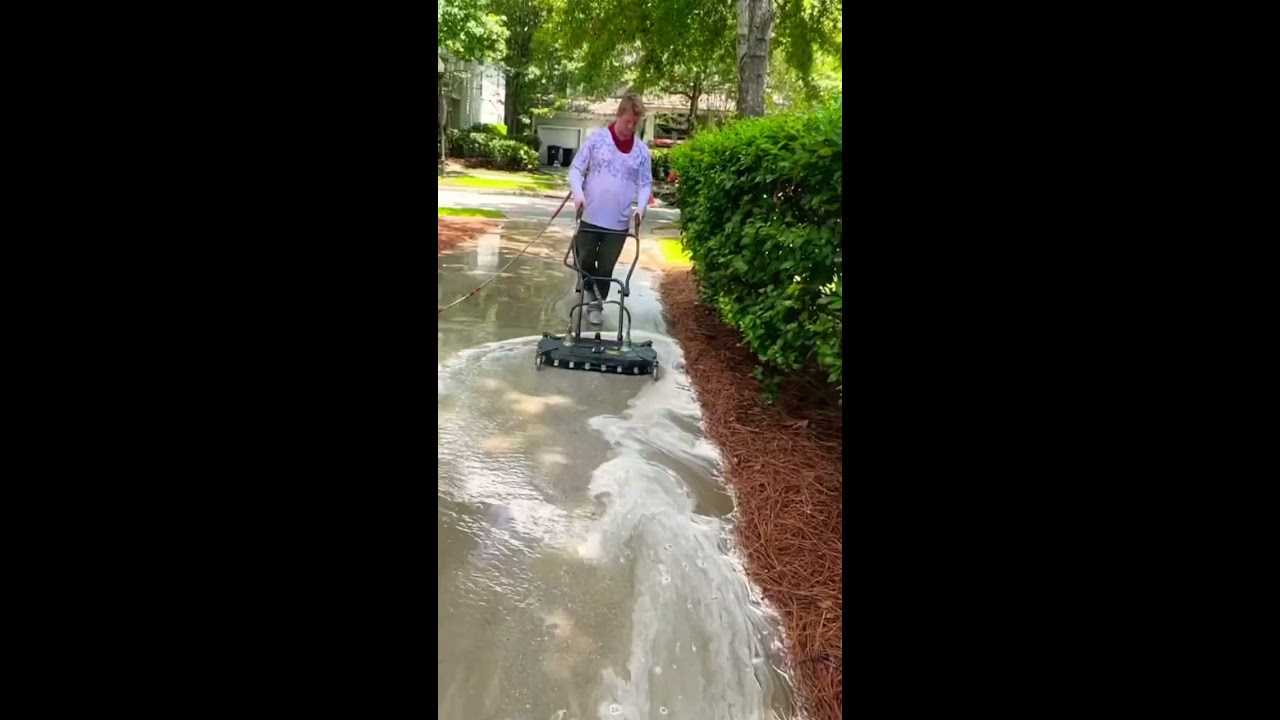
When choosing a provider in Melbourne Bayside, ask about their experience with balconies specifically, the equipment and nozzles they use, how they protect drains and doorways, and whether they use low-pressure or soft wash techniques where appropriate. A reputable operator will inspect the area first and explain any risks rather than quoting a flat price without assessment.
Aftercare: Protecting the Balcony After Cleaning
Once the balcony is clean and fully dry, take the opportunity to maintain it. Reseal grout if it is porous, replace damaged silicone, and apply an appropriate sealer to concrete, stone or timber. Keep drains clear, and sweep regularly to prevent debris accumulation. Position pot plants on stands so water can drain freely underneath, and avoid rubber mats that trap moisture. In 2026, many homeowners are also adopting routine inspection schedules, checking waterproofing and sealants annually so small issues are fixed before 2027 and beyond.
Key Takeaways
Pressure washing can transform a tired balcony, but water management must come first. Inspect before washing, match pressure to the surface, protect doors and drains, and avoid forcing water into joints or sealants. Gentle methods, suitable detergents and thorough drying often deliver better results than high pressure alone. For multi-storey properties, older balconies or any surface with signs of leaks, engaging an experienced local professional is the safest way to protect both the property and your investment in the Melbourne Bayside climate.
Bayside Pressure Cleaning Pros
Unit 3/3-5 Arnold St, Cheltenham VIC 3192
ph. (03) 4517 6380